Root Canal Treatment Philadelphia, PA
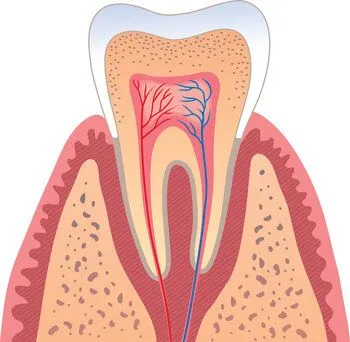
Endodontics is the dental specialty that deals with the nerves of the teeth. Root canals are probably the most notorious procedure in dentistry and the most common procedure relating to endodontics. When a tooth becomes infected it is usually related to the nerves in the root of the tooth. The infected nerves need to be removed. If left untreated an infection can turn into an abscess, which is a much more serious problem that includes bone loss in the jaw.
How Does a Tooth Infection Start?
The outside of your tooth is covered by a hard layer of enamel that protects a softer layer underneath called the dentin. The interior of your tooth beyond the dentin is known as the pulp chamber. The pulp chamber contains the important blood vessels, tissue, and nerves that are necessary to keep your tooth alive and healthy.
While the hard exterior of your tooth does a great job protecting the softer, more fragile interior, a deep cavity or damage to the tooth through an injury can allow bacteria to creep into the inner chamber of your tooth and cause infection. The reason root canal infections can be so painful is because they occur in the same area that the nerves of your tooth are located. This is also why many patients experience pain and sensitivity to hot or cold food and beverages while the tooth is infected.
Root Canal Procedure
The area around the tooth is numbed with a local anesthetic to start the procedure. The dentist will then drill down into the tooth to create an opening into the canal. They will then be able to remove infected tissue and clean the canal. After the infection has been removed, the space if filled with a sealant called gutta percha. It is highly recommended that a tooth that has undergone a root canal is fitted with a crown. This will improve the appearance of the tooth, and will also make it much more likely that the root canal is successful.
"Root canal" has become a scary term for dental patients to hear, but the benefits of the procedure and advances in dental technology have made it much less "scary". Local anesthetics and proper pain medication allow the procedure to be performed with little to no pain in most cases. There may be some soreness following the procedure, but that is normal for most dental procedures. Over the counter painkillers are usually enough to relieve any pain afterwards, but your dentist may prescribe medication. The procedure will also relieve you from pain caused by the infection allowing you to enjoy all the foods you love without any pain from heat, cold, or biting too hard. If you are experiencing pain consult your dentist today.
What Will Happen If I Don’t Get a Root Canal?
If root canal treatment is not performed, the infection will spread (causing more severe pain) and eventually compromise the overall health of the tooth. Once the tooth is compromised, extraction will be necessary. So, it’s important if you’re experiencing any tooth pain, sensitivity, or other symptoms that you see your Philadelphia dentist as soon as possible to determine the best course of treatment and if your situation requires a root canal.
